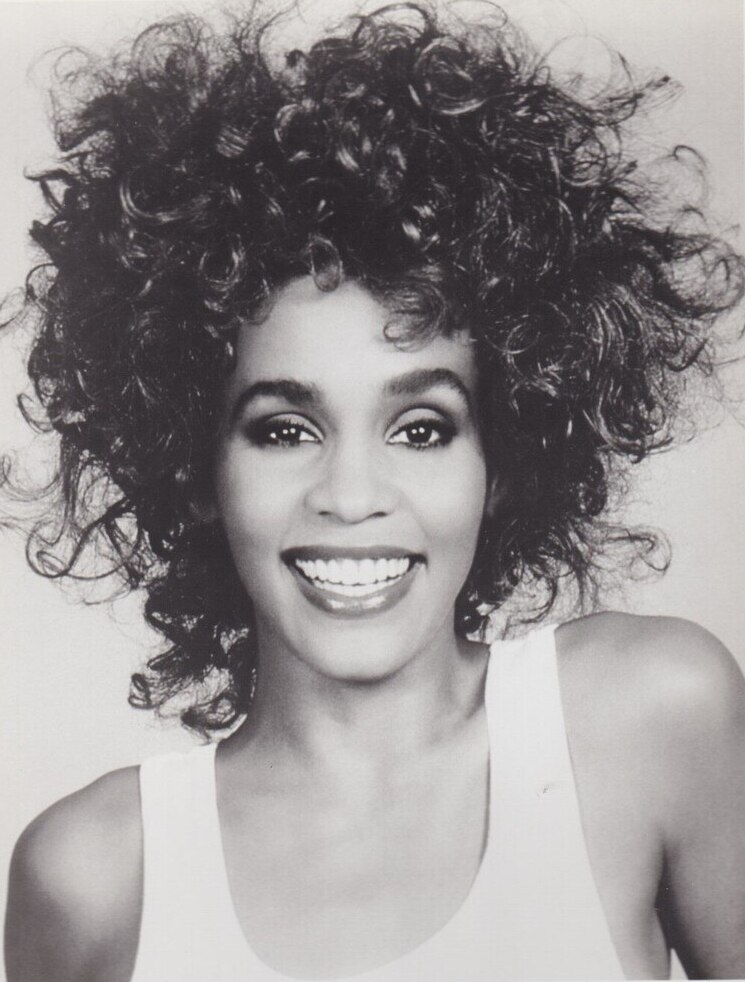
Born in Newark: The Genesis of a Global Voice
Many fans worldwide often ponder, "Wann Ist Whitney Houston Geboren?" – or, "When was Whitney Houston born?" The answer marks the beginning of an extraordinary journey, one that would see a young girl from Newark, New Jersey, ascend to become one of the most celebrated and influential vocalists of all time. Born into a lineage steeped in musical greatness, Whitney Elizabeth Houston's early life was a rich tapestry of gospel hymns, familial mentorship, and the vibrant, sometimes challenging, landscape of an American city that would forever remain part of her identity.
Her birth on August 9, 1963, in Newark, New Jersey, wasn't just a date on a calendar; it was the start of a destiny. Newark, a major city in its own right, yet often overshadowed by its glamorous neighbor, New York City, provided a fertile ground for a talent like Whitney's to blossom. It was a place where community, church, and family ties ran deep, forming the bedrock of her upbringing. From these humble yet powerful beginnings, "The Voice" would emerge, ready to captivate millions and redefine an era of popular music.
A Dynasty of Divas: Family Roots and Musical Heritage
Whitney Houston wasn't just born with a gift; she was born into a legacy. Her family tree reads like a who's who of gospel, soul, and pop music, ensuring that music wasn't just an interest but an inherent part of her DNA. This incredible heritage provided an unparalleled environment for a budding singer, offering both inspiration and guidance from the very best.
Cissy Houston: The Matriarch of Melody
At the heart of this musical dynasty was her mother, Emily "Cissy" Houston, a formidable singer in her own right. Cissy's illustrious career included being a founding member of the legendary Sweet Inspirations, a background vocal group that provided harmonies for an astonishing array of musical icons. Imagine growing up with a mother who regularly sang alongside rock 'n' roll legend Elvis Presley, whose electrifying stage presence was matched only by the raw power of Jimi Hendrix, and countless other stars of the 60s and 70s. This wasn't just exposure to music; it was a front-row seat to the highest echelons of professional performance, vocal artistry, and the demanding realities of the industry. Cissy's dedication and vocal prowess were a constant, living example for young Whitney, showcasing not only how to sing but how to deliver a performance with soul and conviction.
Cousins and Godmothers: A Pantheon of Talent
Beyond her mother, Whitney's familial connections extended even further into musical royalty. Her cousins were none other than Dionne Warwick and Dee Dee Warwick, both celebrated singers with their own string of hits and established careers. Dionne, in particular, was a superstar whose smooth vocal style and sophisticated delivery offered another facet of musical influence. And then there was her godmother: the incomparable Aretha Franklin. The "Queen of Soul" herself, Aretha was not just a title but a spiritual and musical guide, embodying the very essence of gospel-rooted vocal power that would become Whitney's signature.
This lineage meant that Whitney wasn't merely exposed to music; she was immersed in a culture where vocal excellence was the standard, where emotion was woven into every note, and where storytelling through song was an art form passed down through generations. These powerful women not only provided genetic predispositions to talent but also a rich environment of mentorship, challenging Whitney to reach for greatness.
The Voice Emerges: Early Discoveries and Steps to Stardom
While her family provided the foundation, Whitney's own journey of vocal discovery began in the most hallowed of places: the church. Cissy Houston regularly brought her daughter to the New Hope Baptist Church in Newark, where Whitney joined the gospel choir. It was here, surrounded by the spiritual fervor and unbridled emotion of gospel music, that Whitney's unique gift truly began to reveal itself.
The Revelation at New Hope Baptist Church
A pivotal moment occurred when Whitney was barely twelve years old. As she recalled, singing in the church, she witnessed the profound impact her voice had on the congregants. "They were derart in Trance," she later recounted, expressing how they were "so entranced." This powerful experience solidified her understanding that her voice was more than just a talent; it was a divine gift. The realization that she could move people so deeply through song was a profound spiritual awakening, solidifying her connection to music as both an art and a calling. This early experience in gospel music provided her with an unparalleled vocal education, teaching her breath control, emotive delivery, and the sheer power of an unadorned voice.
From Local Stages to Magazine Covers: Early Career Ventures
With her burgeoning talent recognized, Whitney began to take concrete steps towards a professional career. She participated in local talent competitions, honing her stage presence and vocal precision, often performing alongside her mother, gaining invaluable live experience. But her early career wasn't limited to singing alone. Model scouts quickly took notice of her striking beauty and poised demeanor. This led to her appearing in prestigious fashion magazines like "Vogue" and gracing the cover of the popular US teen magazine "Seventeen." Her modeling career, while not her ultimate passion, provided crucial public exposure, taught her how to present herself in front of a camera, and gave her a taste of the celebrity spotlight, all before her musical career exploded.
Her vocal prowess was also subtly making its way into the recording studio. As early as 1977, at just 14, Whitney recorded her first solo vocal on "Life's A Party" for the Michael Zager Band. Two years later, she contributed background vocals to Chaka Khan's "I'm Every Woman," a track she would famously remake into a global hit decades later. In 1982, she collaborated with Bill Laswell on his "One Down" project, delivering the standout ballad "Memories," which found modest success. These early studio experiences, though minor compared to her later work, provided essential training and a glimpse into the professional recording world.
The Dawn of a Global Phenomenon: Clive Davis and the Breakthrough
The stage was set for Whitney's explosive entry into the mainstream. The crucial catalyst came in the form of legendary record producer and executive, Clive Davis. Recognizing her unparalleled vocal talent and magnetic presence, Davis signed the then 19-year-old Whitney Houston, embarking on a meticulous journey to craft her into a global superstar.
Clive Davis's Vision and the Merv Griffin Show Debut
Davis had a clear vision: to meld Whitney's powerful, gospel-honed voice with sophisticated pop and R&B sensibilities, appealing to a broad audience without compromising her authenticity. This strategic direction would define her early sound. Her first major national television appearance came on the popular American cult talk show, "The Merv Griffin Show," a significant platform that introduced her to a wider audience and showcased her incredible potential. This pivotal date, August 9, 1963, truly marked the birth of a music icon, setting the stage for what would become an unparalleled career. Indeed, August 9, 1963, was the day Whitney Houston's legendary career began in earnest, leading to these early breakthrough moments.
The Unprecedented Success of Debut Albums
Her self-titled debut album, "Whitney Houston," released in 1985, was an immediate sensation. Selling an astonishing 15 million copies, it catapulted her into international stardom and earned her first Grammy Award at just 21 years old in Los Angeles. The album broke barriers, showcasing her ability to effortlessly bridge genres. Her second album continued this trajectory, debuting at number one on the US charts and achieving an unprecedented feat: seven consecutive singles reaching the top of the hit lists, a record that stood for years. Despite the stratospheric success, Whitney herself admitted to feeling overwhelmed. "Ich wusste nichts darüber, wie groß sie eine machen würden, die sie eine Ikone nannten," she confessed – an honest reflection on the dizzying speed of her ascent into global icon status.
While her later life would bring immense personal challenges alongside continued professional triumphs, including her iconic performance of the National Anthem at the 1991 Super Bowl and her acclaimed role in "The Bodyguard" in 1992, the foundation of her extraordinary career was firmly laid in her early years. The blend of her Newark roots, a deeply musical family, and strategic guidance created the phenomenon that was Whitney Houston.
Conclusion
From the streets of Newark to the global stage, Whitney Houston's early life was a testament to the power of environment, lineage, and innate talent. Born on August 9, 1963, into a family steeped in musical greatness, she honed her voice in the New Hope Baptist Church, drawing profound spiritual and artistic lessons. Her journey from modeling to early studio sessions, culminating in her discovery by Clive Davis, meticulously paved the way for her unparalleled success. Her roots in Newark, coupled with the formidable musical guidance of her mother Cissy, cousins Dionne and Dee Dee Warwick, and godmother Aretha Franklin, were indispensable in shaping the unique artistry of "The Voice." Her early years were not just a prelude; they were the very essence of the legend she would become, a testament to how deep roots can fuel the most soaring of achievements, leaving an indelible mark on music history.